
BDO Evolve 2026 brought together CPA firm leaders from across the country at the Fontainebleau Las Vegas for several days of sessions, strategy conversations and more than a few hallway discussions about where the accounting industry is headed next.
As expected, AI dominated much of the agenda. It showed up in keynotes, breakout sessions and countless interactions throughout the week. But beneath the AI buzz, a broader theme consistently surfaced: CPA firms are trying to determine how to evolve operationally without creating more complexity in the process.
Broader themes around innovation, client experience, growth strategy and workplace culture also surfaced repeatedly throughout the week, reinforcing how interconnected these challenges have become for firms navigating change.
Governance, scalability, execution and long-term firm strategy came up just as often as AI-related priorities themselves. Between packed sessions, booth interactions and candid exchanges throughout the week, the focus felt less like experimentation for experimentation’s sake and more like firms trying to understand how to implement change intentionally and sustainably.
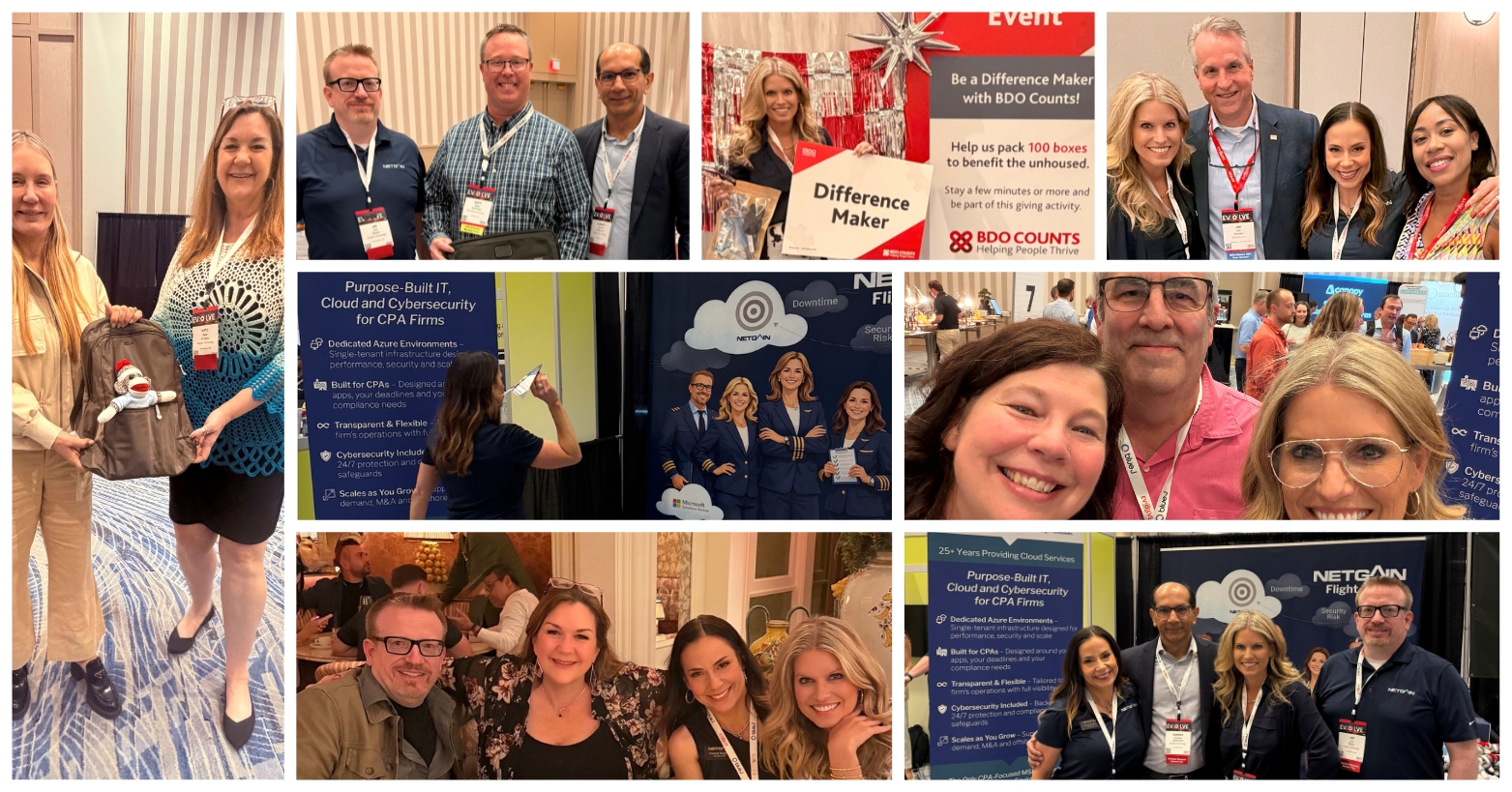
Before diving into the bigger themes from the week, here’s a quick look back at BDO Evolve 2026 and some of the moments that made it memorable.
What We Heard
The AI conversation is shifting from capability to accountability
The tone of AI conversations felt noticeably different this year.
Instead of focusing on what AI might eventually be capable of, CPA firms were asking harder operational questions around governance, data quality, implementation and accountability. The focus centered less on experimentation and more on how firms can integrate AI into existing workflows without creating unnecessary risk or implementation challenges.
Another shift that stood out was the growing focus on AI agents and workflow-level automation. Many firms appeared less interested in standalone AI tools and more focused on embedding AI into specific workflows, processes and business functions.
At the same time, the market continues to expand rapidly, with both established platforms and newer entrants introducing AI-focused capabilities at an aggressive pace.
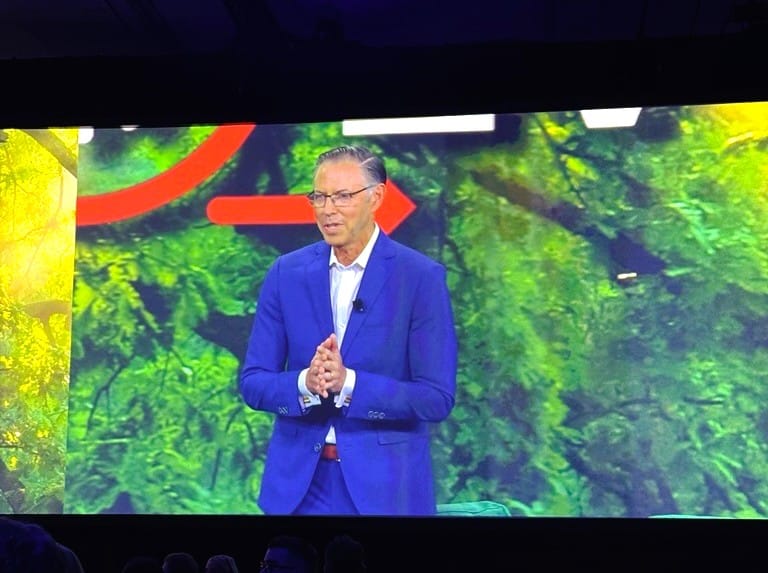
One keynote line from Chris Kauffman, a partner at General Catalyst who focuses on AI investments, captured that sentiment particularly well:
“Accounting stayed human because trust stayed human.”
That idea came up repeatedly throughout the week. As AI compresses more repetitive and administrative work, accountability, judgment and client trust still sit squarely with people. In a profession built on accuracy and credibility, CPA firms are approaching AI adoption with a level of caution and intentionality that feels both practical and necessary.
Another observation from Kauffman’s keynote also stood out:
“Accounting is one of the largest AI categories still without a winner.”
That statement reflects the unique complexity of the accounting industry. Unlike industries where AI can operate with a higher tolerance for error, CPA firms are working in environments where inaccuracies create financial, regulatory and reputational risk.
That uncertainty is creating both opportunity and caution as firms evaluate platforms, workflows and long-term operational strategies. Several sessions reinforced that AI adoption without governance can create as many challenges as efficiencies. That is especially true in regulated industries where firms are responsible for protecting sensitive financial and client data.
Operational readiness and scalability became bigger priorities for CPA firms
Beyond AI itself, scalability and execution readiness emerged as recurring themes throughout the week.
Advisory growth continues to be a major focus across the profession, but firms also spoke candidly about the challenges that come with growth and change. Internal bandwidth, process consistency and execution came up frequently, especially as firms try to balance innovation with day-to-day operational demands.
One reality that surfaced repeatedly throughout the week was that AI may reduce manual effort while simultaneously increasing operational complexity, governance requirements and expectations around responsiveness.
That broader conversation around operational maturity felt like one of the defining themes of the week. In many ways, operational maturity is becoming a competitive differentiator for CPA firms navigating AI adoption and long-term growth.
Firms are increasingly evaluating whether their existing infrastructure, workflows and governance models can support the pace of change happening across the industry. Many are also balancing these operational shifts across increasingly distributed and hybrid work environments, adding another layer of complexity to implementation and governance decisions. Several sessions also touched on how these changes are affecting employee experience, collaboration and workplace culture as firms continue adapting to new ways of working.
Long-term firm evolution is accelerating
Private equity, consolidation and long-term growth strategy felt far more mainstream this year.
Topics that once felt speculative are now part of regular business discussions for many CPA firms. Succession planning, mergers, scale and future operating models surfaced repeatedly throughout the event, reflecting an industry that is actively evaluating how firms need to evolve over the next several years.
The profession does not seem hesitant about change. If anything, firms appear focused on managing change more strategically and building operational models that can adapt over time. One underlying theme throughout the week was that firms cannot afford to stay stagnant while the industry continues evolving around them.
What Stood Out
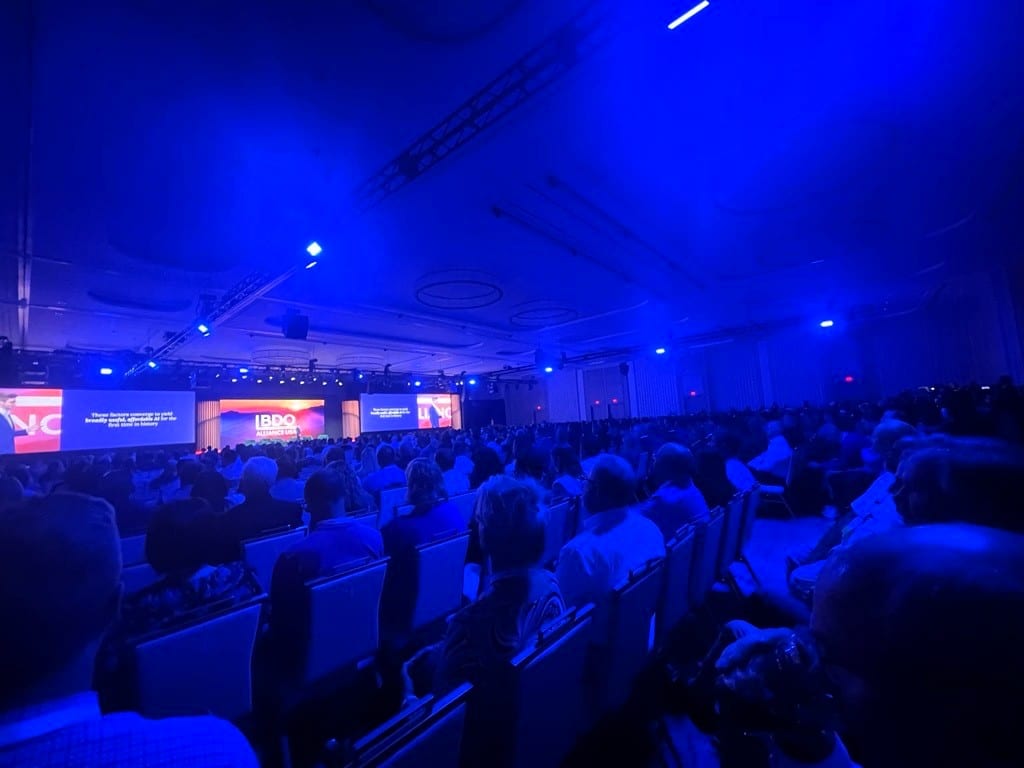
One of the more interesting takeaways from BDO EVOLVE was how quickly technology topics became operational priorities.
AI rarely stayed framed as just a technology topic. It quickly expanded into themes around governance, scalability, process maturity and operational execution. Growth-related themes frequently evolved into questions around internal capacity, operational discipline and how firms can adapt without creating additional friction for their teams.
That shift feels important.
The CPA firms best positioned for what comes next will likely not be the ones adopting every new tool the fastest. They will be the firms building the operational foundation to adapt consistently over time while maintaining trust, accountability and stability along the way.
Moments That Mattered
Of course, not every memorable moment happened inside a breakout session.
Flight Crew took off
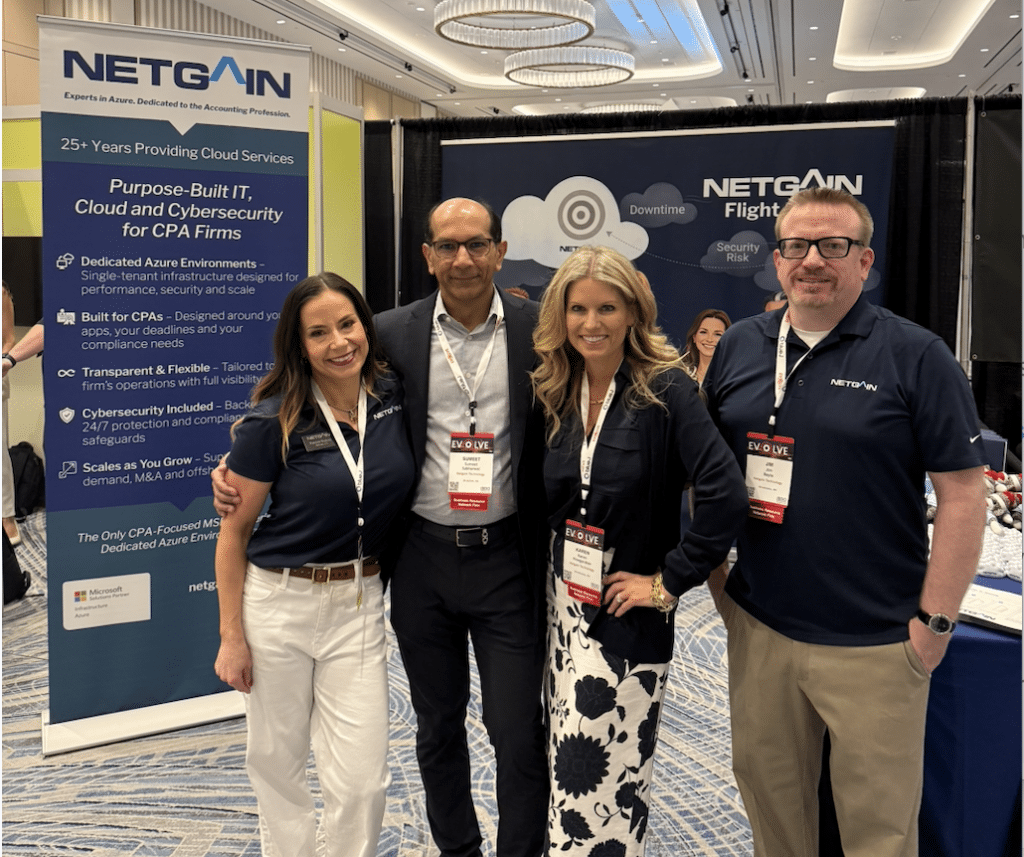
The Flight Crew theme gave attendees something a little more interactive than the standard booth experience.
Our paper airplane throwing contest quickly became a conversation starter throughout the event as attendees tried to land their planes on the booth target while avoiding the “storm clouds” representing downtime, security risk and compliance challenges. Once people realized Tumi bags were involved, a few competitive streaks definitely started to emerge.
More importantly, the activity created opportunities for longer, more natural interactions throughout the week. What often started as a quick stop at the booth turned into deeper discussions around operational challenges, firm growth and the realities CPA firms are navigating right now.
Happy Hour at Solo Lounge

Some of the most valuable interactions happened outside the expo hall walls.
Our Monday night gathering at Solo Lounge inside the Fontainebleau gave clients, partners and industry peers a chance to connect outside the booth and continue the dialogue in a more relaxed setting. With no presentations or formal agenda, it created a space for candid discussions, shared experiences and a chance to unwind after a busy day.

Many of the same themes surfaced again throughout the evening: CPA firms are thinking carefully about how to evolve, where to prioritize investments and how to balance innovation with operational stability.
Final Takeaway
BDO Evolve made it clear that CPA firms are moving beyond AI curiosity and into a much broader period of operational change.
The broader perspective is increasingly about operational readiness, governance, scalability and how to build firms that can adapt intentionally over time. AI may have been the headline, but the real story was how firms are preparing for what comes next while continuing to prioritize trust, accountability and long-term sustainability.
The firms that stand out over the next several years will likely not be the ones waiting for certainty. They will be the firms willing to adapt thoughtfully, make decisions strategically and continue evolving alongside the profession itself.
If we connected at BDO Evolve, thanks again for the insights and time spent together throughout the week. If these themes sound familiar, we’d be happy to continue the conversation and compare notes.