Every CPA firm has that client. The K-1s arrive in the last week before the deadline, in three different formats, and at least one seems to have traveled by carrier pigeon. When Wolters Kluwer Tax & Accounting CEO Jason Marx joked about it during the opening session at CCH Connections 2026, the room laughed in recognition. Then the demo showed what could come next: missing documents flagged early, numbers that didn’t tie out caught in context and a partner who starts with the judgment call instead of the scavenger hunt.
That moment set the tone for the week. Marx also reminded attendees that next March is already being built, and nearly every session that followed came back to the same tension. AI tools are arriving quickly. Whether they give firms time back next busy season depends on the less glamorous work underneath them: clean data, sensible permissions, rebuilt workflows and leaders willing to make time to learn.
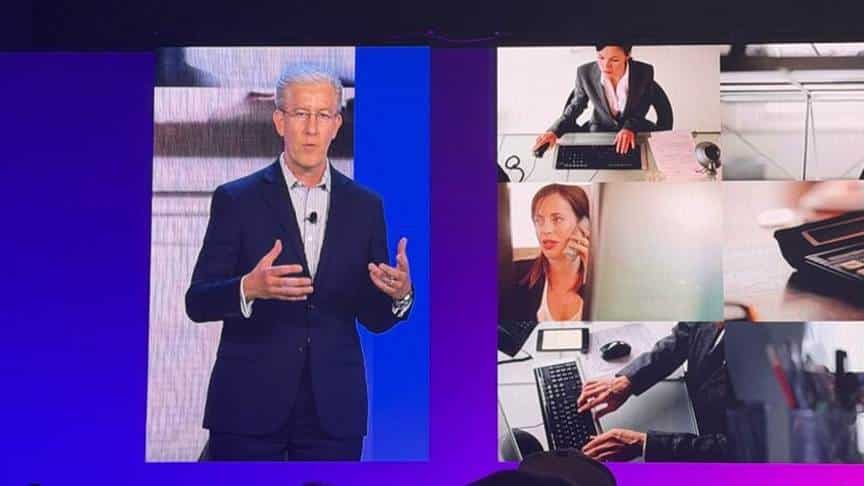
Wolters Kluwer Tax & Accounting CEO Jason Marx opens CCH Connections 2026.
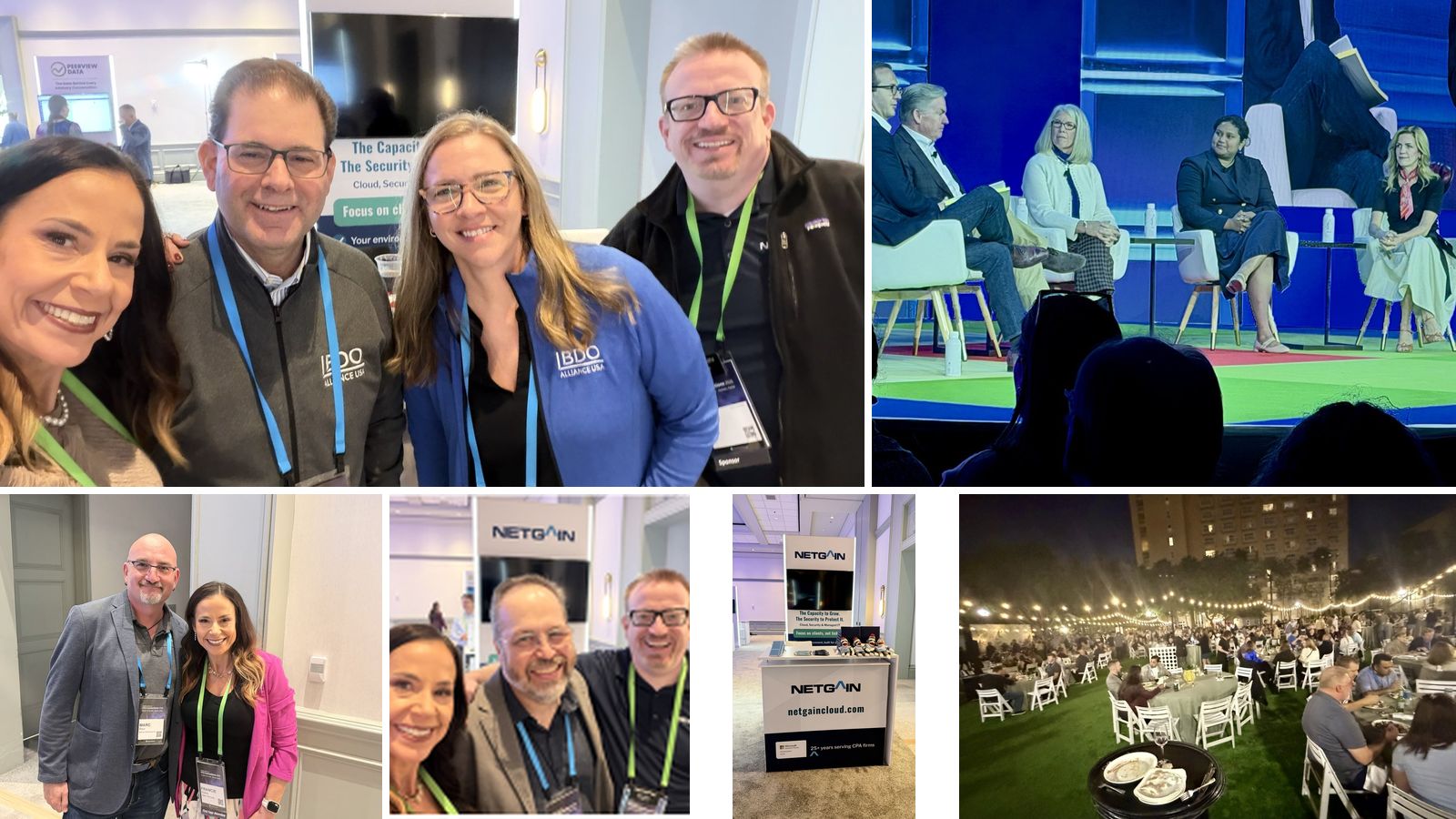
The Netgain team spent Oct. 25-28 at the JW Marriott Grande Lakes in Orlando, catching up with clients, meeting new faces and coming home with five takeaways worth sharing.
Netgain at CCH Connections
Our booth carried a simple message about the capacity to grow and the security to protect it, a fair summary of what was happening on the main stage. Two attendees went home with Maui Jim sunglasses, while notebooks, pens and sock monkeys in tiny Netgain shirts kept the booth lively. The monkeys continued to split the room between charmed and mildly unsettled.
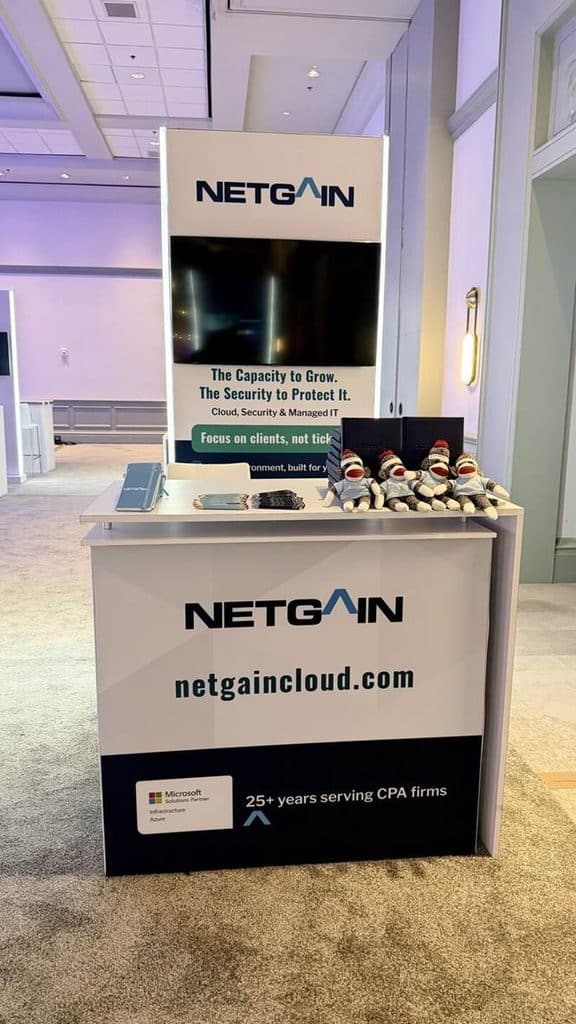
The Netgain booth, with the sock monkeys standing guard.
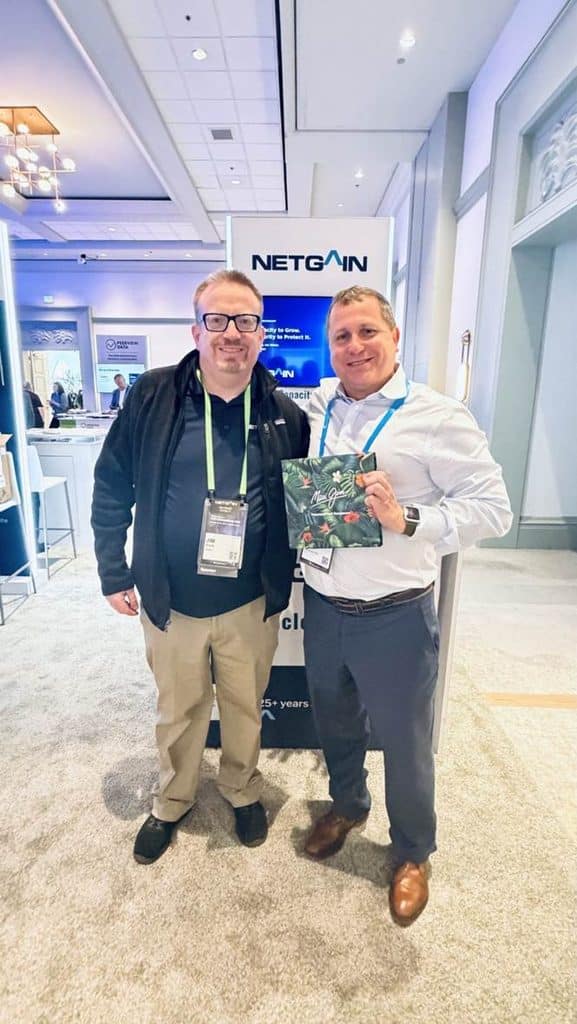
Lou Kalis of Hawkins Ash, one of our two Maui Jim winners.
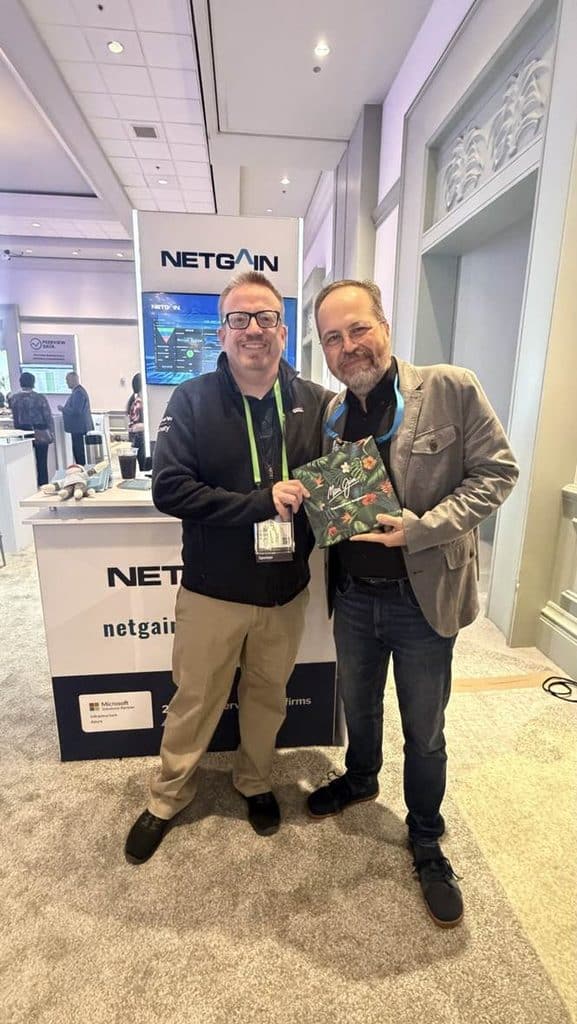
Jon Diercks of Ghirardo, our second Maui Jim winner.
The conference atmosphere carried into the evenings: a ballroom reception, a luau-style dinner on the lawn and a final-night gathering at Universal CityWalk with karaoke, a reggae bar, dueling pianos and plenty of food.

Night two moved outside for a luau-style dinner on the lawn.
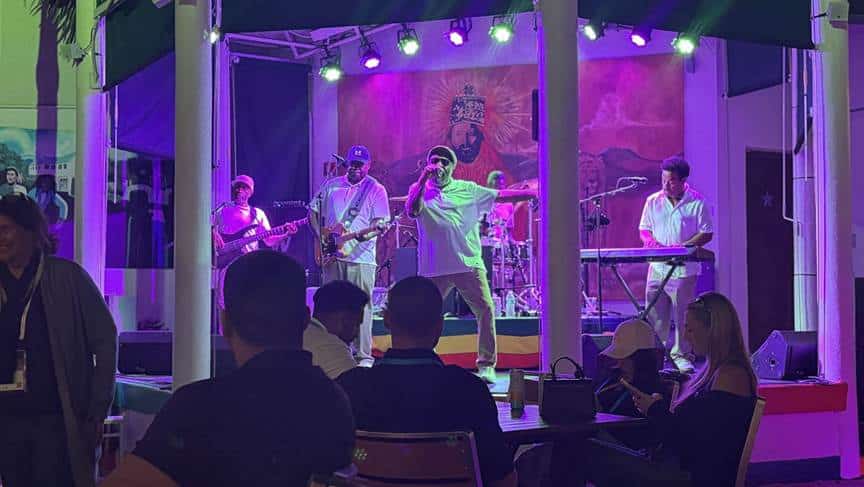
The reggae bar at Universal CityWalk on the final night.
The conversations were the part that stayed with us. Here is what we heard.
What we learned: 5 takeaways for CPA firms
Several of these themes picked up where Boomer Circle Summit left off in August. At CCH Connections, the conversation moved closer to the work itself: what AI does inside a tax workflow, who reviews it and what has to be true before it pays off.
1. Software is moving from separate apps to connected workflows
For most firms, technology still means separate applications for tax, workpapers, documents and client communication, with people carrying information between them. Speakers described AI agents beginning to collect documents, extract data, prepare a draft and route it for review. That shifts attention from any single app to the full workflow.
Most firms are not there yet, and a mix of platforms, versions and add-ons will not disappear by next busy season. Planning starts with understanding how each application shares data, where people still rekey information or move files manually and whether identity, access and other security controls stay consistent across systems. As more work moves automatically, a weak handoff or uneven control in one application can affect every step that follows. Those questions belong in the technology decisions firms make before busy season.
2. Measure AI by the capacity it gives back
Marx made a point that should land with any managing partner who has sat through an AI status update: adoption figures show activity, not whether the work improved. Tracking users, pilots and hours saved is useful, but the more meaningful measure is what the firm accomplishes with that recovered time.
Look for that capacity in the work itself: less time collecting documents, faster review cycles and more time for judgment, advisory work and client conversations. That distinction also explains why so many AI projects stall after the pilot. A pilot can show that a tool works. Those outcomes show whether the firm gained usable capacity.
3. Start with the outcome, then rebuild the workflow
During the closing panel, Anu Saha, COO of Agentforce at Salesforce, urged firms to begin with the result rather than the technology. Define the outcome, such as better client service or more productive staff, before choosing a use case. Dennis Cahill, CTO of Wolters Kluwer, shared that giving coding tools to 10,000 developers changed little on its own. Results came after the company redesigned the process and treated it as a change management effort.
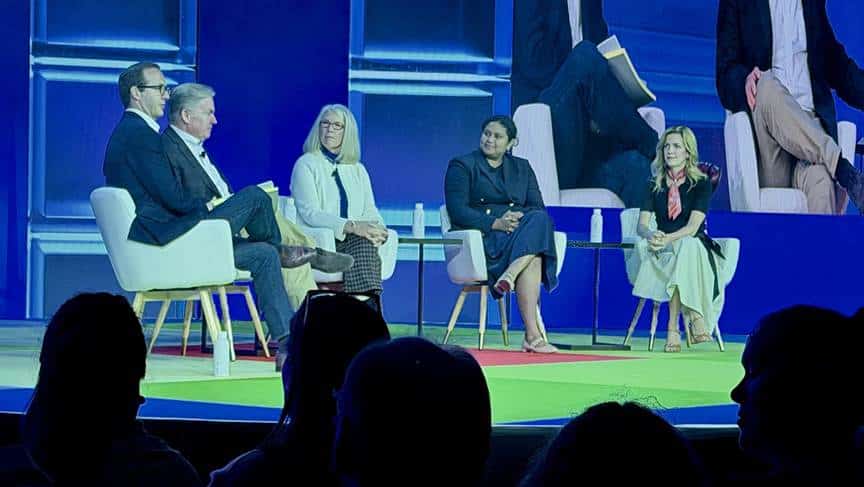
The closing general session brought together leaders from McKinsey, Microsoft, Salesforce, Wolters Kluwer and Sandra Wiley Strategies.
The day-one keynote added an important design question: what should AI prepare, surface or escalate, and where does a professional need to make the call? For CPA firms, that line belongs in the workflow design. Start with one defined outcome, redesign the workflow that supports it and assign an owner and a small team to implement and improve it. We’ve written more about building an AI strategy around business goals.
4. AI makes data governance urgent
The line our team repeated most after the closing session came from Lara Rubbelke, CTO and vice president of Microsoft Worldwide Industry Sales. Copilot did not create oversharing problems, she said. It shined a flashlight on access permissions that were already wrong. For CPA firms, confidential client or tax information stored in folders with overly broad permissions may become easier for authorized AI users to discover and summarize, even when those users shouldn’t have access to it in the first place. Microsoft publishes a deployment blueprint for addressing oversharing for exactly this reason.
Jen Leary, CEO of CLA, made a related point from the firm side on day one. She sees firm data that has been sitting unused as one of the biggest opportunities AI creates. Using that data responsibly requires role-based permissions, tighter access to sensitive information and a clear list of approved AI tools that may touch client information. That is why AI governance has to go beyond a written policy to the controls that enforce it.
5. Leadership must make time
Sandra Wiley, a longtime accounting industry adviser who leads Sandra Wiley Strategies, put it plainly: firms will write the check for AI, but time stops them. When she asked rooms of attendees who had a five-year vision for their firm, only about two people raised their hands. Rubbelke added that the Fortune 500 CEOs she meets with carve out time to learn the technology themselves instead of delegating it.
Leary called this period the “messy middle.” She said CLA’s long-range roadmap compressed from roughly 10 years to about five once AI arrived. The AICPA and CIMA’s Rise2040 initiative also examines how the profession must adapt to changes in technology, workforce expectations and business models. Wiley’s view was that firms will get there well before 2040. The practical commitment is to allocate time, assign ownership and give employees regular opportunities to learn, test ideas and improve workflows.
A new hat and a lot of familiar faces
The most unexpected session of the week came on day two, when Jon Dorenbos, a former Philadelphia Eagles long snapper and “America’s Got Talent” magician, told his story through card tricks. His grandfather kept a hat from every team Jon played for, so when the Titans cut him, his grandfather called it good news: it meant a new hat. The story offered a useful perspective on change. A new ownership structure, role or way of working can be disruptive without being a setback.
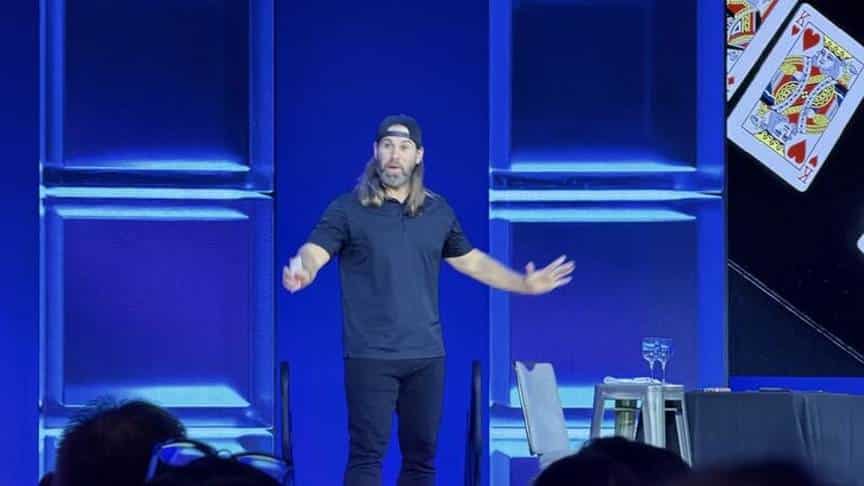
Jon Dorenbos on stage during the day two keynote.
Fortunately, one of the many benefits of CCH Connections is being surrounded by people navigating similar changes. We valued the time with our partners from Boomer Consulting and BDO Alliance USA and with several Netgain clients. Comparing notes with people working through the same questions can help firms decide which ones to answer first.
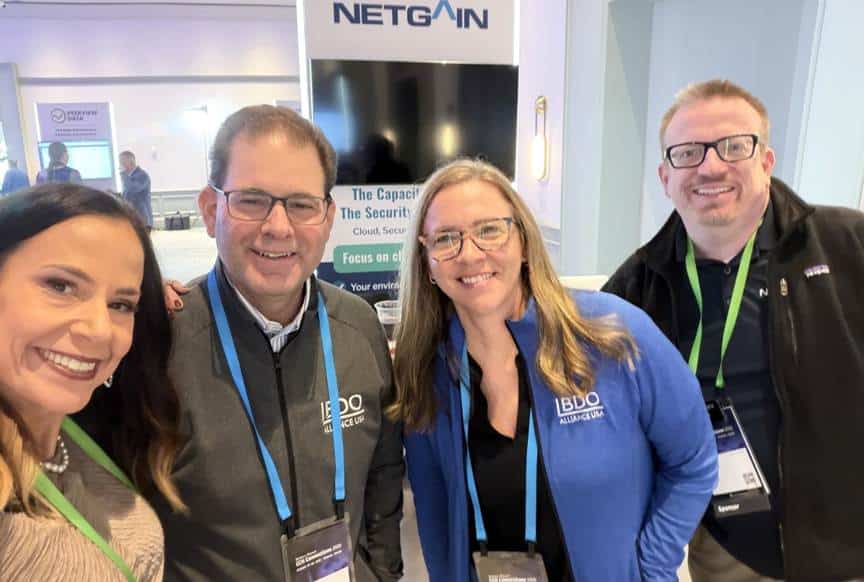
The BDO Alliance USA team stopped by the booth.
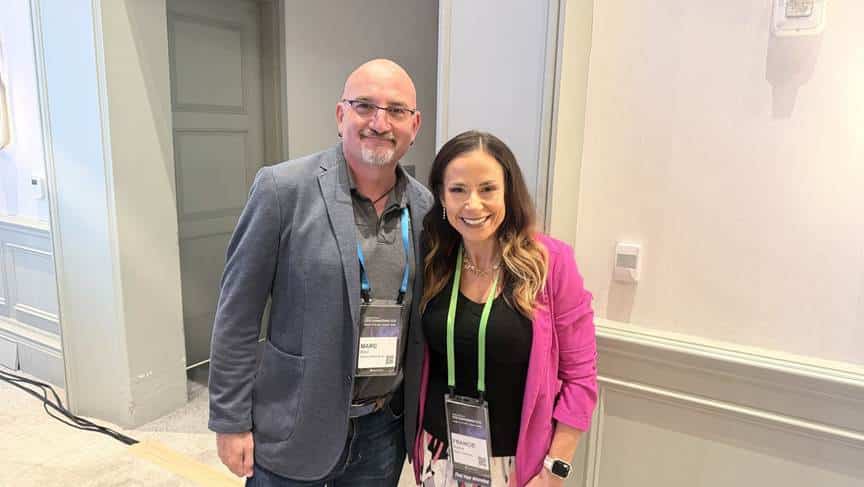
Catching up with Marc Staut of Boomer Consulting.
CCH Connections heads to Resorts World Las Vegas next year, which means the 2027 edition will trade lawn luaus for the Strip. Thanks to everyone who stopped by the booth, sat with us at dinner or let us in on what’s keeping them up at night. If these themes sound familiar, we’d be glad to compare notes.